
 English
  Spanish
  German
  French
  Dutch
Dutch  Portuguese
  Russian
  Hindi
Hindi  Panjabi
  Korean
  Arabic
  Belarusian
  Bengali
  Czech
Czech  Greek
Greek  Croatian
  Italian
  Thai
Thai  Ukrainian
  Japanese


What is Metal Stamping?
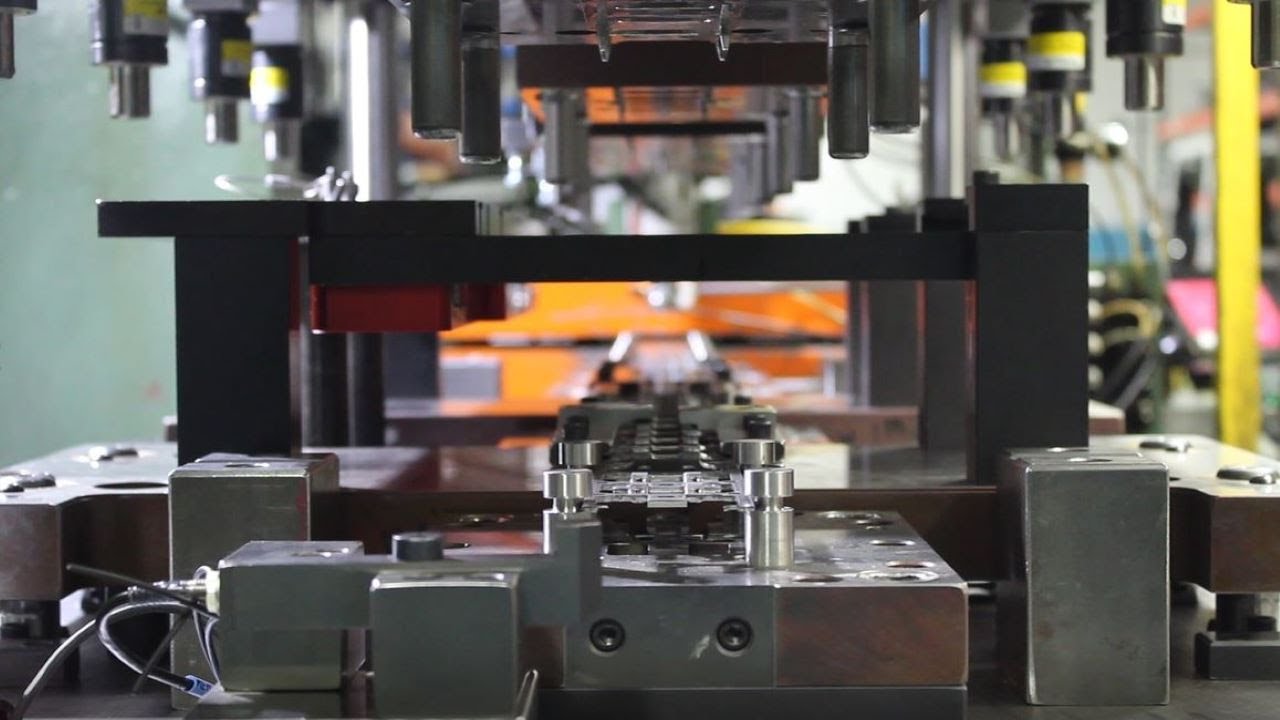
Metal stamping, also known as pressing, is a manufacturing technique for creating metal components in high volumes. This process involves using a stamping press machine with a die or set of dies that shape and cut metal sheets into the required shape and size.
Understanding the Stamping Process
Metal stamping involves using a stamping press machine to shape and cut metal sheets into specific shapes and sizes. The metal sheets are fed into the press, where a die or set of dice is used to stamp and shape the metal into the desired shape.
Types of Stamping
There are three stamping types: progressive stamping, transfer stamping, and sheet metal stamping. Progressive stamping is the most commonly used technique for making metal components in high volumes. Transfer stamping is used for making parts with large dimensions, while sheet metal stamping is ideal for small details.
Stamping Techniques and Methods
Different techniques are used in metal stamping, including blanking, piercing, drawing, coining, and bending. Blanking involves cutting a piece of metal from a larger sheet, while piercing involves punching a hole. Drawing creates cylindrical or cup-like shapes, while coining creates a precise form by applying high pressure to the metal sheet. Bending uses a press brake to bend the metal sheet into the desired shape.
Tool and Die in Metal Stamping
Tool and die are essential components used in metal stamping. The tool cuts and shapes the metal sheet, while the die is the mold used to create the final product. The dies are often made from rugged and durable materials such as tungsten carbide, ceramic, or steel.
CNC in Metal Stamping
Computer Numerical Control (CNC) is widely used in metal stamping. This technology involves using computerized machines that operate based on pre-programmed instructions. CNC machines are used for various tasks in metal stamping, including cutting, drilling, and shaping metals, allowing for greater precision and efficiency in the production process.
In conclusion, metal stamping is essential for creating high-volume metal components across industries. Understanding the techniques, methods, and tools used in this process is critical for producing precision components with tight tolerances and consistent quality. With the continued advancements in technology, the future of metal stamping is bright, with the integration of CNC machines, artificial intelligence, and automation promising to make it even more efficient and cost-effective for manufacturers.
Benefits of Metal Stamping Services

- High efficiency and consistency in producing metal parts
- Quick turnaround time for high-volume production runs
- Good dimensional accuracy with tight tolerances
- Wide range of metals available for stamping, including steel, aluminum, brass, copper, and more
- Cost-effective for large-scale production
- Reduced scrap material waste due to precision cutting and shaping
Precision Metal Stamping Services:
- Highly accurate and consistent presentation of complex parts with tight tolerances
- Suitable for applications requiring precise dimensions and shapes
- Ensures quality and reliability of stamped parts
Custom Metal Stamping Services:
- Ability to produce unique parts tailored to specific customer requirements
- Greater design flexibility and freedom compared to off-the-shelf parts
- Customized tooling and dies for efficient and cost-effective production
Sheet Metal Stamping Services:
- Ability to process flat sheets of metal into complex shapes and sizes
- Excellent dimensional accuracy and repeatability
- Cost-effective for high-volume production runs
Progressive Die Stamping Services:
- Efficient and automated production of complex parts in a single pass
- High production rates and reduced lead times
- Suitable for high-volume production runs of small to medium-sized components
Aerospace Stamping Services:
- Compliance with industry standards and regulations for aerospace components
- Production of high-strength, lightweight components for aircraft and spacecraft
- Use of advanced materials and processes to ensure the quality and performance of stamped parts
Types of Metal for Metal Stamping

Metal stamping is a widely used manufacturing process that involves shaping and cutting metal sheets into specific shapes and sizes. Various metal types can be used in stamping, including stainless steel, carbon steel, aluminum, copper, brass, and bronze. Each metal type has unique characteristics that make it suitable for specific manufacturing applications.
Understanding Types of Metal Used in Stamping:
Stainless steel is well-known for its strength, durability, and corrosion resistance, making it an excellent choice for industrial and medical applications. Carbon steel is a popular metal type for stamping because of its strength and durability. Its hardness and resistance to abrasion make it perfect for manufacturing tools or metal parts that require toughness. Aluminum is lightweight, easy to form, and corrosion-resistant, making it a top choice for the aerospace and automotive industries.
Alloys in Metal Stamping:
Metal stamping can also involve the use of metallic alloys. Many alloys used in metal stamping combine different metals with properties that make them desirable for specific applications. One standard alloy used in stamping is brass, an alloy of copper and zinc, which is famous for making decorative parts because of its unique golden color.
Metal Sheets in Stamping:
Metal sheets used in stamping come in various thicknesses and sizes, depending on the requirements of the particular stamping process. The thickness of the metal sheet is referred to as its gauge. The gauge size directly affects the strength of the metal sheet. The thicker the gauge, the stronger the metal sheet, which translates to more vital parts.
Benefits of Using Different Types of Metal in Stamping:
Choosing the correct type of metal for stamping is essential in achieving precise and uniform parts. The benefits of using different kinds of metal in stamping are many. For example, aluminum’s lightweight can provide fuel consumption benefits for automotive parts, while brass’s conductivity makes it ideal for electrical components. Using different types of metal can also allow manufacturers to optimize costs without compromising on quality.
Desired Shapes for Metal Stamped Parts:
Metal stamped parts can be produced in various shapes and sizes, depending on the end-use application’s specific functional or aesthetic requirements. The shaping of the metal sheets in stamping can be achieved using different methods, including bending, coining, embossing, and piercing. Various shapes and designs can also add strength to parts without substantially increasing the weight. Complex shapes and intricate designs can be quickly produced with metal stamping, allowing manufacturers to create pieces with high precision and quality.
In conclusion, metal stamping is a versatile manufacturing process that has revolutionized the production of metal parts. Using various metal types in stamping provides manufacturers with options for producing customized parts that meet varying industry requirements. The choice of metal type, alloy, and sheet thickness affects the strength and durability of the parts produced. With metal stamping, precise and uniform pieces can be made efficiently, ultimately contributing to cost savings and improved quality.
Tools and Techniques Used in Metal Stamping
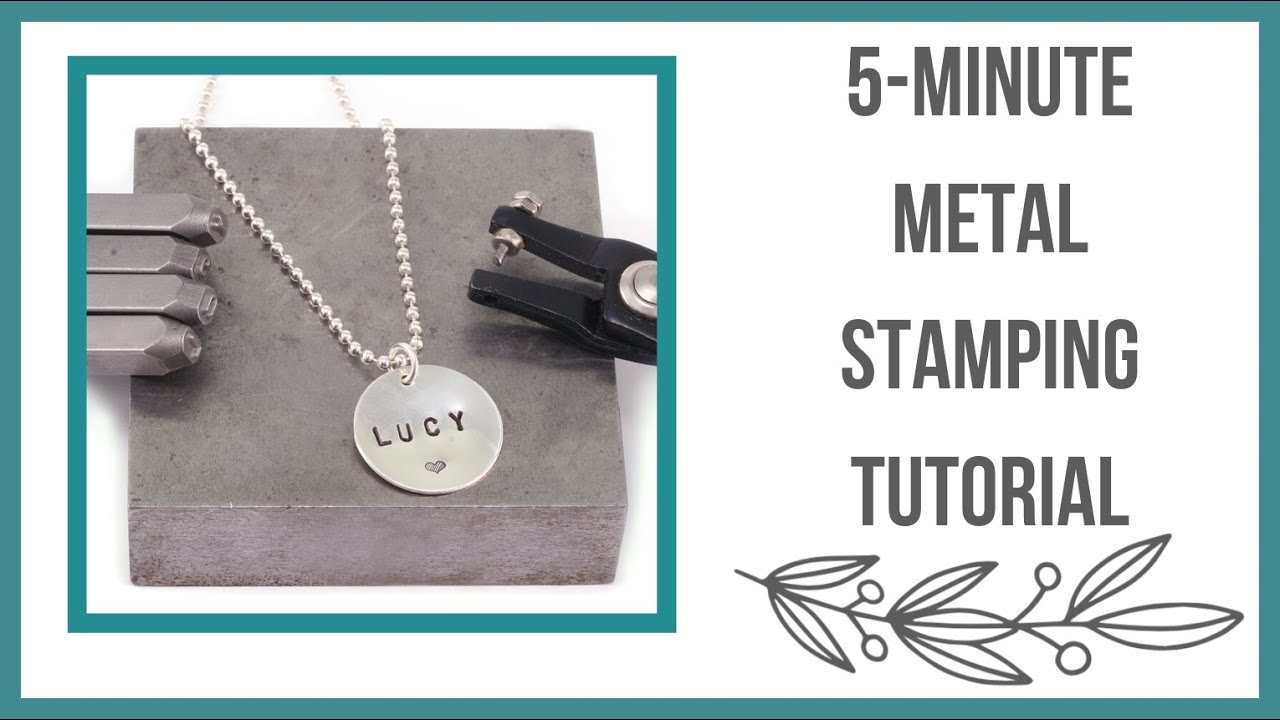
Metal stamping is a manufacturing process to create high volumes of metal parts. To achieve this, the method uses a set of specialized tools and techniques. One crucial tool in metal stamping is the stamp or die. A die is a specialized tool for shaping and cutting metal sheets into specific shapes and sizes. Passes come in various types, such as compound dies, progressive dies, and the transfer fails. The type of die used in metal stamping will depend on the complexity of the desired part.
Another tool used in metal stamping is the stamping press machine. This machine uses force to shape and cut metal sheets into specific shapes and sizes. The stamping press comes in various types, such as mechanical, hydraulic, and servo-presses. The kind of press used will depend on factors such as the volume of production, part size, and complexity, among others.
Stamps and Dies Used in Stamping
The stamps and dies used in metal stamping are designed to fit into the stamping press machine. These tools are typically made from hardened steel to allow them to withstand the pressure exerted by the stamping process. In addition to steel, other materials such as tungsten carbide and ceramic are also used.
The stamps and dies come in various shapes and sizes, depending on the part’s complexity in production. The dies may also be designed to create multiple domains with a single press, reducing production time and costs.
Stamping Presses and Machines Used in Stamping
The stamping press is a critical tool in the metal stamping process. It comes in various types, each with its advantages and disadvantages. Mechanical presses use crankshaft and flywheel systems to drive the operation, while hydraulic presses use fluid power to generate force. Conversely, servo-presses use electric motors and don’t require a clutch or brake to operate. Each of these stamping press machines has specific applications, depending on the part’s complexity in production.
Progressive Die Stamping and Its Advantages
Progressive die stamping is a type of metal stamping technique that allows for producing complex and intricate parts. It involves a series of dies arranged sequentially to create pieces that may require multiple operations. The progressive die-stamping process has featured at a fast rate, reducing the cost of production. Progressive die stamping also offers high precision and accuracy levels, making it an ideal choice for the aerospace, automotive, and electronics industries.
Metal Forming Techniques Used in Stamping
Metal forming techniques used in stamping include bending, punching, blanking, coining, and deep drawing, among others. The metal-forming processes will depend on the complexity of the desired part. Bending involves creating curves and angles in the metal sheet while punching creates holes and slots. Blanking consists of cutting out a flat shape from the metal sheet, while coining creates a raised design on the metal surface. Deep drawing consists in shaping a flat metal sheet into a three-dimensional object.
CNC and Its Uses in Stamping
CNC (Computer Numerical Control) is a technology that accurately controls machines such as stamping presses. CNC technology allows for creation of complex and precise parts, offering high accuracy and repeatability levels. CNC machines can be programmed to produce a wide range of parts, making them ideal for use in the aerospace, automotive, and electronics industries.
CNC machines control the stamping press machine in metal stamping, ensuring the produced parts’ consistent quality, precision, and accuracy. CNC machines are also used to retrofit older stamping presses, making them compatible with modern digital control systems. This allows older devices to remain in use while offering high precision and accuracy.
Applications of Metal Stamping

Stamping in the Automotive Industry:
- Production of automotive components such as brackets, chassis, engine parts, and body panels
- High-volume production of parts with consistent quality and tight tolerances
- Use of advanced materials and processes to ensure the strength, durability, and reliability of stamped parts
Stamping in the Electronics Industry:
- Production of electronic components such as connectors, terminals, and shields
- Use of precision stamping to ensure accurate dimensions and tight tolerances
- Cost-effective production of high-volume runs of small components
Stamping in the Aerospace Industry:
- Production of aerospace components such as brackets, fittings, and frames
- Compliance with strict quality and safety standards for critical aircraft and spacecraft components
- Use of advanced materials and processes to ensure high strength-to-weight ratios and resistance to extreme temperatures and environments
Treading in the Medical Industry:
- Production of medical devices such as surgical instruments, implants, and diagnostic equipment
- Use of precision stamping to ensure accurate dimensions and tight tolerances
- Use of biocompatible materials suitable for use in medical applications
Treading in the Construction Industry:
- Production of construction components such as brackets, angles, and supports
- Use of precision stamping to ensure accurate dimensions and tight tolerances
- Cost-effective production of large-scale runs of custom or standard features.
Choosing a Metal Stamping Provider

When choosing a metal stamping provider, several factors must be considered to ensure you receive the best quality parts and services for your manufacturing needs.
Factors to Consider When Choosing a Metal Stamping Provider
The first factor to consider is experience. Choosing a metal stamper with extensive experience in the industry will ensure that you receive high-quality parts that meet your specific requirements. Experienced metal stampers are familiar with the unique challenges of metal stamping, meaning they have developed solutions for common issues and can tailor their processes to meet your needs.
Another critical factor to consider is the provider’s technology and equipment. The metal stamping industry has evolved significantly in recent years, with new technologies and machines emerging that offer greater precision, speed, and efficiency. A metal stamper that consistently invests in new technology will be better equipped to handle complex projects, resulting in higher-quality parts that meet even the tightest tolerances.
Customization and Quality in Metal Stamping
Metal stamping, customization, and quality are critical factors that can make or break a project. Customization is significant in industries like aerospace and automotive, where each component must meet specific requirements and standards.
Metal stamping can be customized through various techniques, such as die design and tooling modifications. Experienced metal stampers can help you create custom parts that meet your specific requirements, so be sure to choose a provider that can handle your unique needs.
Quality is also crucial in metal stamping. Poor quality parts can lead to production delays, increased costs, and potential safety hazards. Look for a metal stamper with strict quality control measures in place, such as ISO 9001 certification, to ensure that you receive parts that meet the highest standards of quality and consistency.
Consider the provider’s experience, technology, customization capabilities, and quality control procedures when choosing a metal stamping provider. By finding a provider that meets these criteria, you can ensure that your metal stamping projects are successful and cost-effective.
Q: What are metal stamping services?
A: Metal stamping services refer to machines cutting, shaping, and forming metal into a desired shape or design. It is a manufacturing process for producing high-volume and highly repeatable metal components.